
Roof Problems in West Michigan
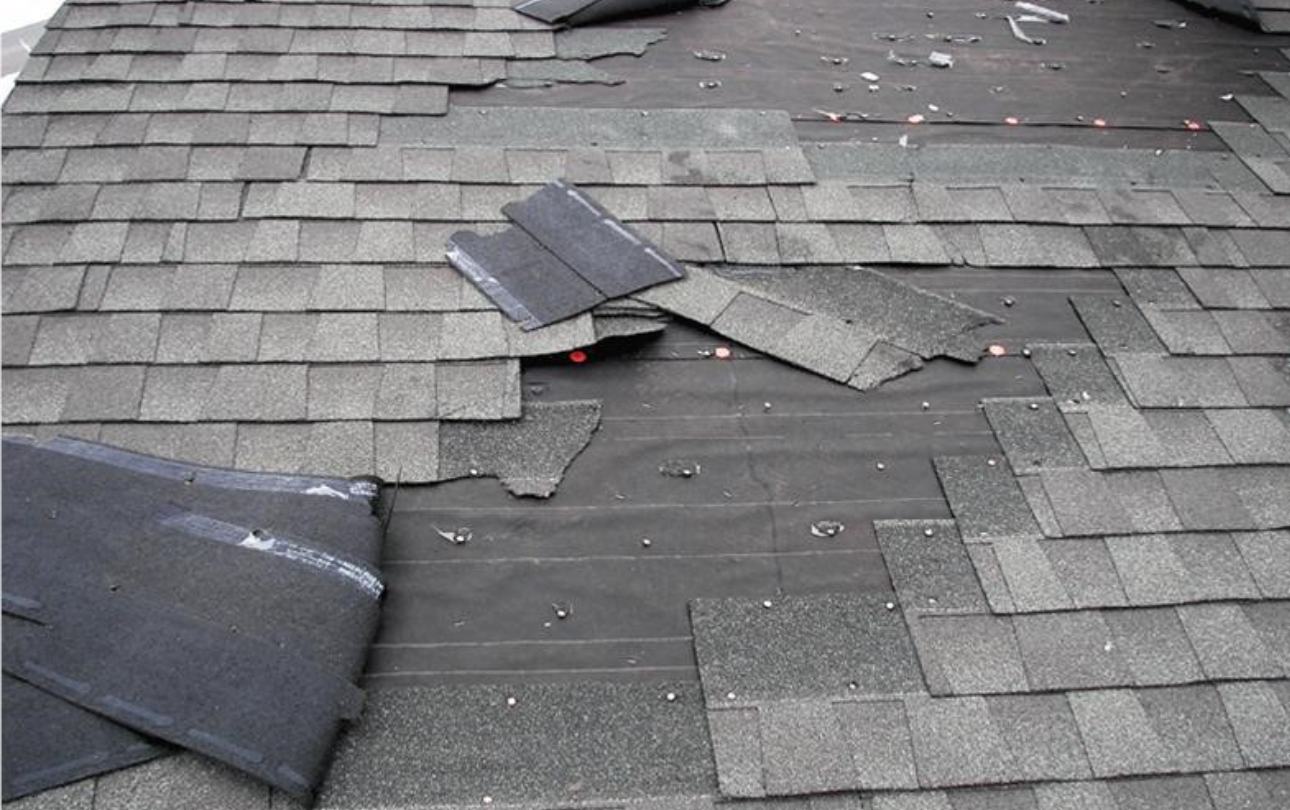
Missing or Damaged Shingles
A few missing or cracked shingles don't look like an emergency from the driveway. Every bare spot is an open door for West Michigan wind, rain, and snow.
Here's why shingles blow off and break in our climate, what a gap really puts at risk, and what to look for from the ground before a small problem becomes a leak.
Why Shingles Blow Off and Crack Here
Asphalt shingles are designed to lock together into one continuous, wind-resistant layer. Each shingle has a strip of thermal adhesive on it. When the sun warms the roof after installation, that strip melts and bonds the shingle to the one below it. That bond is what holds the roof together in wind. When it never forms, or when it breaks down with age, the system stops working exactly where the seal failed. The wind doesn't have to be strong. It just has to find an edge that's loose.
Between the wind off Lake Michigan, the freeze-thaw of our winters, and the ice dams that form on snow-loaded roofs, shingles here take it from every direction. Add normal aging and the occasional hailstorm, and it's easy to see why homeowners from Grand Rapids to the lakeshore find shingles in the yard after a rough night.
The good news: catching it early usually means a quick, contained repair instead of a full replacement down the road.
What Knocks Shingles Loose in West Michigan
The same roof rarely fails for one reason. These are what we see most.
A Seal That Never Bonded
The most common cause, and the one nobody talks about. If shingles are installed in cold weather and the factory seal strip never got warm enough to activate, or if the installer didn't hand-seal them the way you have to in the cold, those shingles are sitting on the roof loose. They look fine. They'll come off in the first real wind. Sometimes it takes years for the right storm to find them.
Bad Nailing
Each shingle takes five to seven nails and every one has to be in the nail line, driven flush. Nailed too high, the nail misses the shingle below and the whole course is held by less than it should be. Overdriven, the nail cuts through the mat and holds nothing. Underdriven, it lifts the shingle above it. On a roof with tens of thousands of nails, a crew that's rushing gets a lot of them wrong, and the roof starts shedding shingles years before it should.
Straight-Line and Lakeshore Wind
West Michigan sits in the path of powerful spring and fall wind events, and homes near the lake in Holland, Grand Haven, and Saugatuck take the brunt. Wind gets under a loose or aged edge, breaks the seal on the next shingle up, and peels a course off the deck.
Freeze-Thaw and Thermal Shock
Our winters swing above and below freezing again and again. Asphalt expands and contracts with every cycle and gets brittle over time. A shingle that was flexible in July cracks under a January cold snap.
Ice Dams and Snow Load
Lake-effect snow piles up and ice dams at the eaves force water back under the shingles. As the ice shifts and refreezes it lifts, loosens, and tears shingles away from the courses below.
Age and Granule Loss
Most asphalt roofs here show real wear at 15 to 20 years. As shingles age they lose the granules that shield the asphalt from UV, and bare, sun-baked shingles turn brittle. They're the first to crack, curl, and blow off.
Storm and Hail Impact
Hail can fracture the shingle mat and knock granules loose. Falling limbs crack and dislodge shingles outright. Damage is often scattered across the roof where you can't see it from the driveway.
The Risk of Leaving a Gap
It's tempting to ignore a couple of missing shingles, especially high up or around back where you rarely look. But a bare patch isn't cosmetic. It's a hole in the only barrier between the weather and the wood structure of your house.
Water Gets to the Deck
Shingles are the first waterproof layer. A single missing tab exposes the underlayment and deck to rain and snowmelt, and it only takes a few soakings to start rot.
Damage Spreads Fast
Once one shingle is gone, wind grabs the exposed edge of the next one. A small bare spot after one storm becomes a peeled-back section by the next. The gap never stays the same size.
Leaks, Mold, and Rot
Water past the shingles soaks insulation, drips into the attic, and feeds mold. Left alone it rots sheathing and framing, and a shingle swap becomes a deck repair.
Higher Energy Bills
Wet insulation loses its R-value and gaps let conditioned air escape. A compromised roof costs you money every month, quietly.
Warning Signs You Can Spot From the Ground
You don't need a ladder to catch most shingle damage. After a storm or a windy stretch, walk the property and look for:
- Bare gray or black patches where shingle tabs are gone
- Shingles, tabs, or granule piles in the yard or gutters after a storm
- Curled, cupped, or lifted shingle edges
- Cracked or broken shingles, especially on south- and west-facing slopes
- Exposed nail heads or torn shingles around vents, chimneys, and valleys
- Dark streaks of exposed underlayment after a windy night
- Dented gutters, downspouts, or window trim after a hailstorm
- Water stains on ceilings or in the attic below a suspected gap
Stay off the roof. Wet, steep, or frost-covered roofs are dangerous, and walking on aged shingles does more damage. If you see any of the above, note where and let us take a closer look. The inspection is free.
Found Missing Shingles? Here's Your Plan
A single missing shingle is almost always a fast, low-cost fix when it's handled promptly. The trouble starts when a gap sits through a Michigan winter and quietly rots the deck underneath. Acting early keeps the repair small.
If shingles came off in a storm, document the damage with photos from the ground and check whether it may be covered by your homeowner's insurance. Wind and hail claims are common here, and our inspectors are Haag Certified in wind and hail damage assessment, so what we document is what an adjuster expects to see.
When you're ready to fix it, our missing shingle repair page shows exactly how we replace damaged shingles and re-seal the area. If a specific storm is to blame, see storm damage repair.
Your Next Steps
- 1Don't climb up. Inspect from the ground.
- 2Photograph any visible damage for your records.
- 3Contain any active interior leak and call right away.
- 4Schedule a free professional inspection to find hidden damage.
- 5Fix small gaps before winter to avoid deck rot and leaks.
Missing and Damaged Shingle Questions
How many missing shingles is too many?
One. Even a single missing shingle exposes the underlayment and deck to water and gives the wind an edge to grab. A single tab is usually a quick fix. Scattered or widespread missing shingles, especially on an older roof, usually point to a seal or aging problem across the whole roof, and that's worth having a professional evaluate before it turns into leaks.
Why do my shingles keep blowing off in West Michigan?
Because something's wrong with the seal, not because the wind is unusual. West Michigan gets strong straight-line and lakeshore winds in spring and fall, but a properly installed and sealed roof holds up to them. Repeated blow-offs almost always mean the shingles never bonded when they were installed, usually a cold-weather install that wasn't hand-sealed, or bad nailing, or the shingles are old and brittle. All three are reasons to have the roof inspected, and all three tell you something about who installed it.
Can I just replace a few shingles instead of the whole roof?
Often, yes. If the damage is isolated and the deck underneath is sound, replacing the missing or cracked shingles and re-sealing the area is a common, contained repair. A full replacement only makes sense when damage is widespread, the roof is at the end of its life, or there's deck rot underneath. A free inspection tells you which you're looking at.
Will insurance cover shingles lost in a storm?
Wind and hail damage is frequently covered by homeowner's insurance in Michigan, but it depends on your policy and the age and condition of the roof. Document the damage with dated photos, avoid permanent repairs before an adjuster sees it (a temporary tarp is fine), and work with a roofer experienced in storm claims. Our inspectors are Haag Certified, and we help homeowners document damage and walk through the process.
What happens if I leave a missing shingle over the winter?
It's one of the worst things you can do. Snow and ice sit on the bare spot, meltwater seeps into the deck, and freeze-thaw widens the gap and pries off nearby shingles. By spring you can have a rotted deck, attic mold, and interior leaks, and a simple shingle swap has become a much bigger repair. Fix gaps before the snow flies.
Do you offer free inspections for shingle damage?
Yes. Stellar Roofing Company provides free roof health inspections throughout Grand Rapids, Holland, Ada, Hudsonville, Rockford, Grand Haven, and the surrounding West Michigan communities. We check the roof, document what we find, and give you the repair-or-replace options in plain language.