
Roofing Materials • West Michigan
Cedar Shake & Shingle Roofing
Nothing else looks quite like real cedar. The warm tone, the deep shadow lines, the way it silvers with age. It's the roof that makes a custom West Michigan home look like a custom home.
But cedar also asks more of you than any other material, and we're going to be straight about that. Here's how long it really lasts here, what it costs, what it takes to keep a wood roof healthy in Michigan's wet, freeze-thaw climate, and the alternatives that get you the look without the upkeep.
Is Cedar Right for Your Roof?
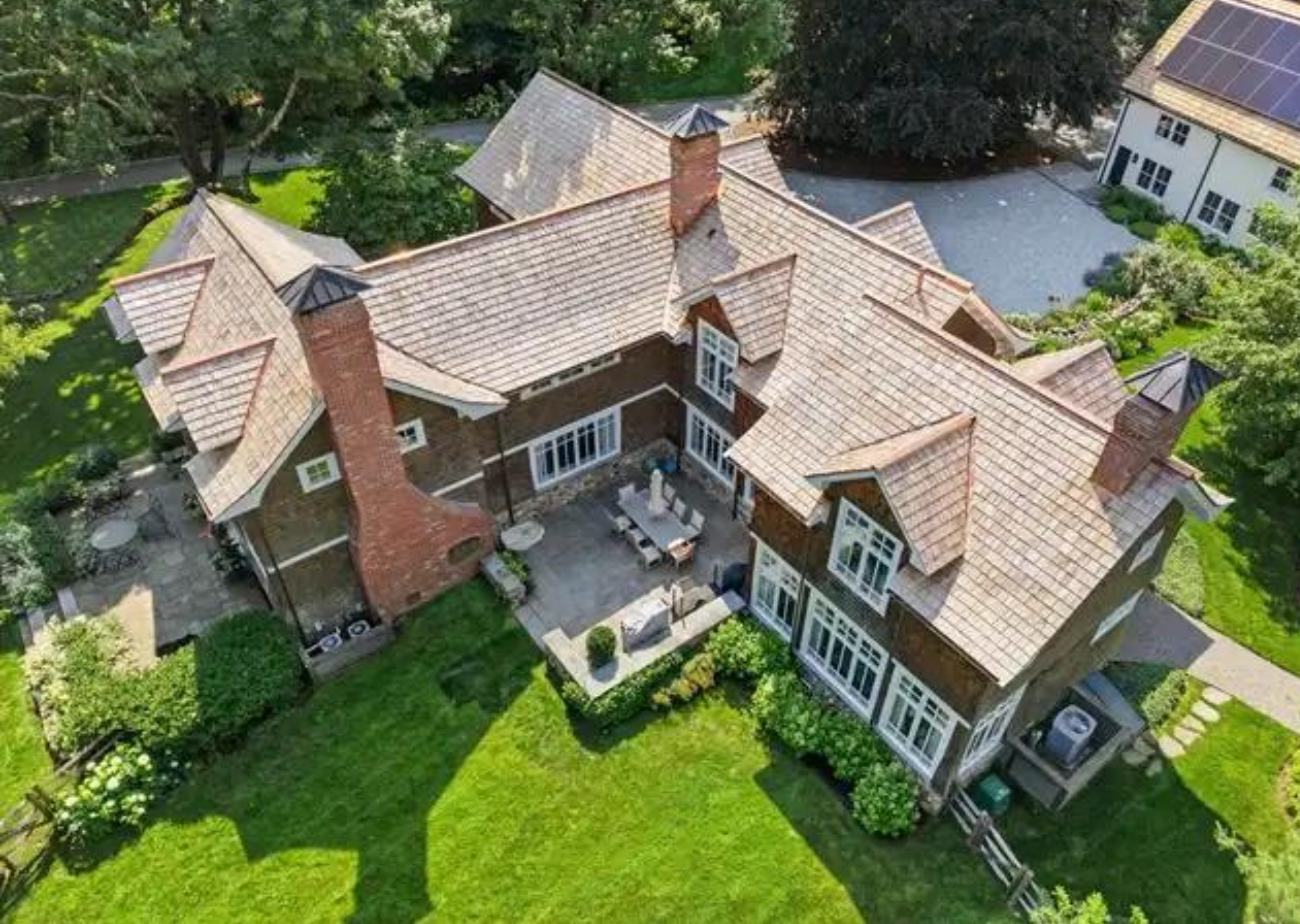
Cedar shake and cedar shingle roofs are the premium natural-wood option in West Michigan. They show up most often on higher-end and architecturally distinctive homes: the lakefront builds around Grand Haven and Holland, the wooded lots of Ada and Forest Hills, and the traditional Cape Cods and cottages where an ordinary shingle would look out of place. When the goal is genuine character, nothing matches real western red cedar.
Here's our honest position, and it's not the one most roofing websites take. We've installed hand-split cedar shake roofs, and we can install one on your home. But we'll usually steer you somewhere else first, because there are simply better options for West Michigan. Cedar is a living material, and our climate is hard on it: lake-effect moisture, heavy snow, shade from mature trees, and relentless freeze-thaw all work against a wood roof. Cedar rewards owners who maintain it and punishes those who forget it. For most homes chasing that look, a designer asphalt shingle, a standing seam metal roof, or a high-end composite shake delivers the character with a fraction of the risk and upkeep.
If you understand all of that and still want real cedar, we respect it, and we'll build it right. This page lays out the full picture so you can decide with clear eyes.
Cedar Shakes vs. Cedar Shingles
People use the words interchangeably, but they're two different products with two different looks.
Cedar Shakes
Thick, hand-split, rugged and textured
Split from the log so each piece keeps a rough, uneven face. They cast deep shadow lines and read as rustic, a natural fit for lodge-style and lakefront homes along the Grand Haven and Holland shoreline. This is the cedar roof we've installed.
Cedar Shingles
Thinner, sawn, smooth and uniform
Machine-sawn on both faces for a cleaner, more tailored appearance. They lie flatter and suit the trimmer lines of Cape Cod, Craftsman, and traditional Ada or Forest Hills homes.
Both are typically western red cedar, prized for its natural oils and resistance to decay. Shakes read rustic; shingles read refined. Either way, the installation and maintenance principles on this page apply.
Cedar Roof Lifespan in Michigan
A cedar roof in West Michigan realistically lasts 25 to 40 years, and where it lands in that range is almost entirely up to installation and maintenance. A neglected cedar roof on a shaded, poorly ventilated home can start failing in 15 to 20 years, while a well-built, well-cared-for roof can push past 40.
The single biggest factor is drying. Cedar needs to shed water and then dry out completely between rain and snow. That's why a proper cedar roof is installed over a ventilated assembly, a breathable mesh underlayment or battens that let air circulate under the shakes. Nail it flat to solid decking like an ordinary shingle roof and it traps moisture and rots from the bottom up, no matter how good the wood is. This is exactly the kind of design decision that separates a cedar roof that lasts from one that fails, and it's why cedar is the last place you want the cheapest bid.
West Michigan works against cedar in specific ways: north-facing and tree-shaded slopes stay damp and grow moss, heavy lake-effect snow sits on the roof for weeks, and freeze-thaw cycles split and cup shakes over time. None of that is a dealbreaker. It just means cedar here is a commitment, not a set-it-and-forget-it roof.
Cedar Roofing Pros & Cons
The Upsides
- Warm, natural wood beauty no ordinary shingle fully replicates
- Weathers to a soft silver-gray that many homeowners prize
- Naturally insulating, real R-value that asphalt can't match
- Renewable, biodegradable material from a sustainable resource
- Individual shakes can be replaced without redoing the roof
- Lightweight and forgiving on complex, custom rooflines
The Realities
- Higher up-front cost than architectural asphalt
- Needs real maintenance: cleaning, treatment, and inspections
- Vulnerable to moss, algae, and rot in West Michigan moisture
- Requires a ventilated, breathable roof assembly to last
- More costly to repair after hail or heavy wind than asphalt
- Fire rating depends on factory treatment, confirm before buying
Composite Shake: The Cedar Look Without the Cedar Problems
The composite shake market has grown up, and the high-end products are genuinely impressive. These are polymer shakes molded from real hand-split cedar, with the varying widths, thicknesses, and shadow lines of the real thing, and from the street even trained eyes have to look twice.
What they don't have is cedar's weaknesses. Quality composite shakes carry UL 2218 Class 4 impact ratings, the highest hail rating there is, with Class A fire options, 40 to 50 year lifespans, and essentially zero maintenance. No oiling, no moss treatment, no periodic cleaning, and moss struggles to even attach to the surface. They're engineered for freeze-thaw, which matters more here than in most of the country, and many carriers discount premiums for Class 4 roofs. In a wet, hail-prone, lake-effect market like ours, that's not a compromise on cedar. On most homes, it's an upgrade.
Composite prices in metal territory, roughly $10 to $18 per square foot depending on product and roof complexity, and we quote it on inspection. If the cedar look is what brought you to this page, ask to see composite samples next to the real thing before you decide. Most people can't tell. Some prefer it.
Cedar vs. the Alternatives
| Factor | Cedar Shake | Designer Asphalt | Standing Seam Metal | Composite Shake |
|---|---|---|---|---|
| Installed cost | Market range $9 to $15+ per sq ft | Top of the asphalt range, priced on inspection | Starts around $12, can exceed $25 to $30 per sq ft | Roughly $10 to $18 per sq ft, priced on inspection |
| Lifespan in Michigan | 25 to 40 yrs with real care | 30 to 50 yrs rated | 40 to 70 yrs | 40 to 50 yrs |
| Maintenance level | High | Low | Very low | Very low |
| Moss and moisture risk | High on shaded slopes | Low | Very low | Very low |
| Impact and fire | Varies; fire rating needs factory treatment | Class 4 options | Class 4 options, Class A fire | Class 4, Class A fire available |
| The shake look | The real thing | Convincing at street distance | Modern, not rustic | Closest match to real cedar |
| Best West Michigan fit | Custom and lakefront homes committed to upkeep | Most homes wanting the look | Snow-shedding, long term | The cedar look without the cedar problems |
Ranges are planning estimates, not quotes. For a full breakdown, see our roof replacement cost guide.
Cedar Roof Cost in West Michigan
Installed, a cedar shake roof in West Michigan typically runs in the $9 to $15-plus per square foot market range, well above architectural asphalt at $5 to $10-plus, and overlapping standing seam metal territory. For a 22-to-28-square home, that's roughly $20,000 to $42,000-plus depending on size, pitch, and complexity, and a true hand-split shake roof on a complex home can run higher. We price cedar on inspection, because the assembly it needs is as much of the cost as the wood.
A few things push cedar higher than asphalt beyond the material itself: the ventilated underlayment or batten system it needs to breathe, the labor to install each piece by hand, and the skill to do valleys, flashing, and detailing correctly on a wood roof. Cutting those corners is exactly how cedar roofs fail early.
And budget for the life of the roof, not just day one. Cedar carries ongoing maintenance costs, periodic cleaning, moss treatment, and re-oiling, that asphalt, metal, and composite don't. Priced over its full lifespan, cedar is a genuine luxury choice: you're paying for a look and a natural material, not the lowest cost per year.
Cedar Roof Maintenance in Michigan
A cedar roof is only as good as the care behind it. In our damp, shaded, freeze-thaw climate, maintenance isn't optional. It's the difference between 20 years and 40. Here's what a healthy wood roof needs, and we service existing cedar roofs across West Michigan.
Keep It Clear and Dry
Cedar lives or dies by how fast it dries out. Clear leaves and pine needles from valleys and keep overhanging branches trimmed back so sunlight and air reach the roof, especially on north- and tree-shaded slopes where moss takes hold first.
Treat Moss and Algae Early
Left alone, moss and algae hold moisture against the wood and accelerate rot. Periodic professional cleaning and a moss and algae treatment every few years keeps growth in check.
Renew the Protective Finish
Every 4 to 6 years, a fresh coat of penetrating oil or preservative restores water repellency and slows UV graying if you want to hold the original tone. This is the single biggest factor in pushing a cedar roof toward the top of its lifespan.
Inspect and Spot-Replace
An annual look catches split, cupped, or rotted shakes before they let water into the deck. Because cedar is installed piece by piece, individual failures can be swapped out without tearing off the whole roof.
Stay ahead of it with a regular roof maintenance plan. It's the cheapest insurance a cedar roof can have.
The West Michigan Moss Problem
Moss is the number-one enemy of cedar roofs in our region. Lake Michigan keeps humidity high, our mature-tree neighborhoods throw deep shade, and north-facing slopes barely see the sun for months. Once moss and algae take hold, they trap moisture against the wood, lift the edges of shakes, and speed up rot.
Watch for these early warning signs on a cedar roof:
- Green or black growth on shaded slopes
- Dark, damp streaks that never fully dry
- Shakes that feel soft, spongy, or cupped
- Debris packed into valleys and keyways
- A musty smell or staining in the attic
- Splitting or curling along the roof edge
Caught early, moss and moisture damage is manageable: a cleaning, a treatment, and a few replacement shakes. Caught late, it can mean a full roof replacement. Book a roof inspection if your cedar roof is showing any of these signs.
Thinking About a Cedar Roof?
Whether you're building new, maintaining an aging cedar roof, or deciding whether to replace one, in kind or with a system better suited to this climate, we'll give you a straight answer about what cedar really takes in West Michigan. We've installed hand-split shake. We know exactly what it demands. And if the honest answer for your home is designer asphalt, standing seam, or composite shake, that's the answer you'll get, with samples of all of them next to the real thing.
Explore Materials & Services
Cedar Shake Roofing Questions
How long does a cedar shake roof last in Michigan?
Typically 25 to 40 years, and where it lands depends almost entirely on installation and maintenance. Built over a ventilated assembly and cleaned, treated, and inspected regularly, cedar can push past 40. Neglected on a shaded, poorly ventilated home, it can start failing in 15 to 20 years as moss and rot set in.
How much does a cedar roof cost in West Michigan?
The market range is roughly $9 to $15-plus per square foot installed, roughly $20,000 to $42,000-plus on a 22-to-28-square home, versus $5 to $10-plus for architectural asphalt. We price cedar on inspection, because the ventilated assembly it requires is as much of the cost as the wood, and cedar also carries ongoing maintenance costs the other materials don't. Budget for the full lifespan, not just installation.
Does Stellar Roofing install cedar roofs?
Yes. We've installed hand-split cedar shake roofs and we can install one on your home. We'll also tell you the truth first: for most West Michigan homes, designer asphalt shingles, standing seam metal, or a high-end composite shake gets you the character of cedar with far less maintenance and risk in our wet, freeze-thaw climate. If you want the real thing with clear eyes, we'll build it the right way, on a ventilated assembly, with the detailing wood demands.
What is composite shake, and is it as good as real cedar?
Composite shakes are polymer shakes molded from real hand-split cedar, so they carry the same varying widths and deep shadow lines. From the street, even trained eyes have to look twice. Where they beat real cedar is everything else: Class 4 impact ratings, Class A fire options, 40 to 50 year lifespans, and essentially no maintenance, with moss unable to get a grip. They cost roughly $10 to $18 per square foot depending on product and roof, and in our wet, hail-prone climate they're an upgrade over wood for most homes. Ask to see samples next to real cedar; some people prefer them.
Why does cedar get moss and how do I stop it?
High lake-effect humidity, mature-tree shade, and cold north-facing slopes create ideal conditions for moss and algae, which trap moisture against the wood and speed up rot. Prevention means keeping the roof clear of debris, trimming branches back so it dries, and professional cleaning and treatment every few years. Caught early it's manageable; caught late it can shorten the roof's life significantly.
What is the difference between cedar shakes and cedar shingles?
Shakes are split from the log, so they're thicker with a rough, rustic, textured face and deep shadow lines. Shingles are machine-sawn on both sides, thinner, smoother, and more uniform for a tailored look. Both are usually western red cedar; shakes suit lodge-style and lakefront homes while shingles suit trimmer Cape Cod and Craftsman designs.
Can you repair a cedar roof or does it need full replacement?
Often we can repair it. Because cedar is installed piece by piece, individual split, cupped, or rotted shakes can be swapped out and the roof cleaned and re-treated to extend its life. Full replacement, in kind or with a different system, only makes sense when deterioration is widespread, the deck is compromised, or the roof is well past its service life. An inspection tells us which path fits your home.